Electrical Safety Checklist for Homes and Businesses
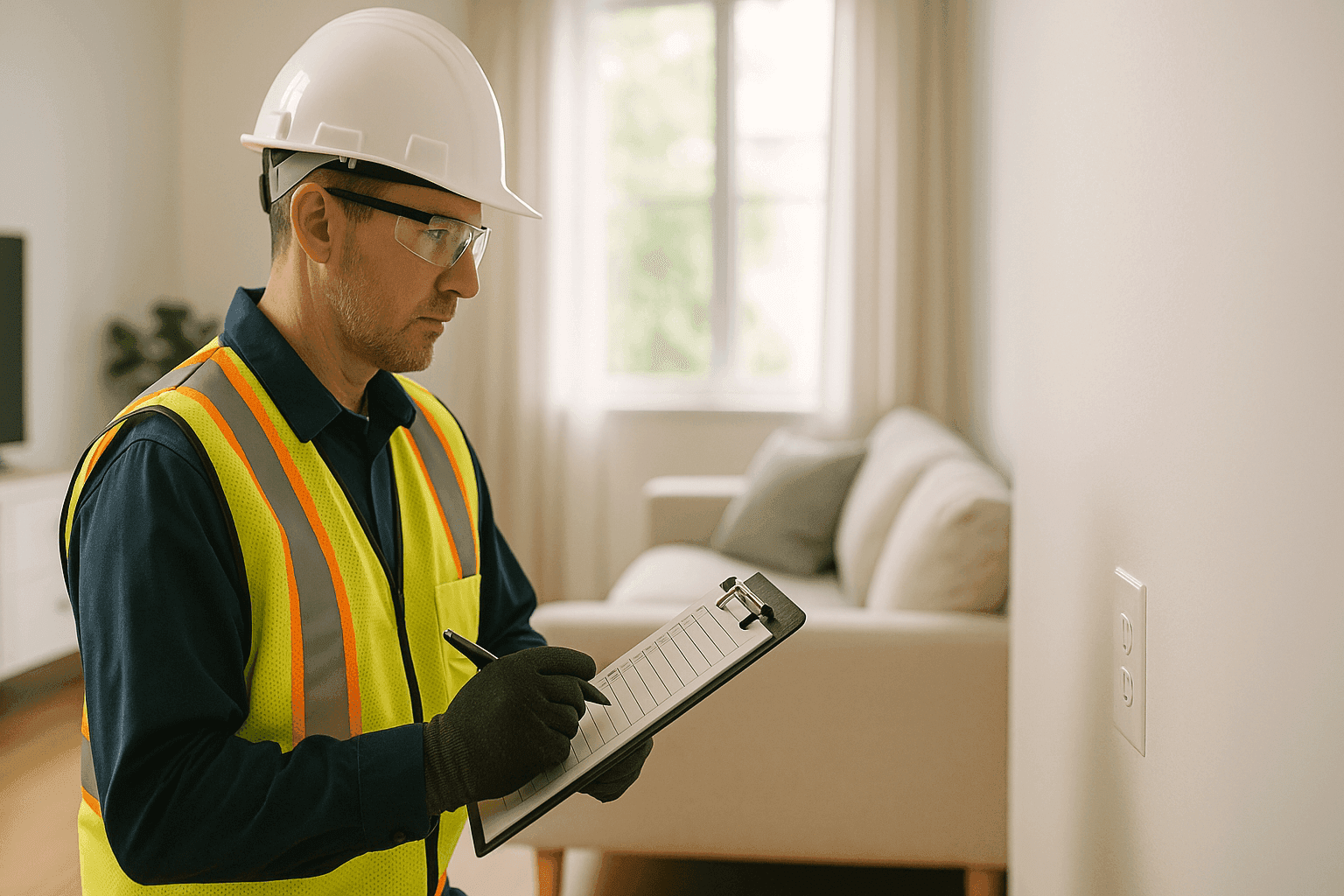
When it comes to electricity, what you can't see can hurt you. Frayed wires behind a wall. An outlet that’s just a little too warm. A breaker box humming softly in the background. These are everyday things, but they can flip from harmless to hazardous in an instant.
Whether you’re a homeowner, a property manager, or running a busy office, electrical safety isn’t just about compliance—it’s about protecting the people and places that matter most. At Spartan Electrical Service, we’ve seen firsthand the difference a simple safety check can make. This guide is your practical map to a safer space—no jargon, just real steps you can take today.
Why Regular Safety Checks Matter ⚡
Electricity is like running water behind your walls—essential, but potentially dangerous if left unchecked. Over time, even the best wiring can wear out. Outlets loosen, circuits get overloaded, and small issues can snowball into big problems. According to the National Fire Protection Association (NFPA), electrical failures or malfunctions are a leading cause of home fires.
Regular safety checks are like oil changes for your electrical system. They help you:
- Catch problems before they become emergencies
- Reduce fire risk
- Avoid costly repairs or insurance headaches
- Stay compliant with local codes and regulations
Whether you’re a parent tucking in your kids or a business owner locking up at night, peace of mind starts with a quick look around.
Home Electrical Safety Essentials 🏠
Your home should be a safe haven—not a place where hidden hazards lurk. Here’s what every homeowner should check regularly:
- Outlets & Switches: Feel for warmth or buzzing. Check for discoloration or loose covers—these are warning signs.
- Wiring: Look for cracked, frayed, or chewed wires, especially in basements and attics. Outdated knob-and-tube or aluminum wiring should be flagged for replacement.
- Smoke & Carbon Monoxide Detectors: Test monthly. Replace batteries every six months. Make sure you have detectors on every floor and near sleeping areas.
- Panels & Breakers: Trip breakers occasionally to ensure they function. If breakers trip often, call an emergency electrician.
- Appliances: Unplug unused items. Check cords for wear and avoid daisy-chaining power strips.
- Lighting: Replace bulbs with the correct wattage. Flickering or dim lights can mean loose wiring or overloaded circuits.
- Surge Protection: Use surge protectors for sensitive electronics. Consider whole-home surge protection for extra peace of mind.
The Importance of Documentation
Keep a simple log of all electrical maintenance and repairs. This helps with insurance claims and ensures you’re meeting inspection requirements.
Business-Specific Considerations 👷
Commercial properties come with their own unique risks. If you manage an office, warehouse, or retail space, add these to your list:
- Emergency Lighting: Test exit signs and emergency lights monthly.
- Electrical Panels: Clearly label all circuits. Keep panels accessible and free from clutter.
- Equipment & Machinery: Inspect cords and plugs before each use. Listen for unusual noises from motors or control panels.
- Data Cabling & Low Voltage Systems: Make sure cables are organized and away from high-traffic areas to prevent tripping and damage.
- Compliance: Stay up-to-date with OSHA and local fire code requirements. Keep inspection certificates handy.
Insurance & Compliance
Many insurers require regular electrical safety inspections. Up-to-date documentation can speed up claims and keep you in good standing.
Smoke & CO Detector Maintenance 🔔
Smoke and carbon monoxide detectors are your first line of defense. Treat them like lifeguards—they need to be ready at all times.
- Test buttons monthly: If the alarm doesn’t sound, replace it.
- Change batteries every 6 months: Set a reminder for daylight saving time.
- Replace units every 7–10 years: Check the manufacturer’s date on the back.
- Vacuum detectors gently: Dust can block sensors.
If you ever smell gas or your CO detector goes off, evacuate immediately and contact emergency services.
Seasonal Electrical Safety (Storms, Holidays, Heatwaves) 🌩️
Weather and holidays can stress your system in ways you may not expect.
Storm Prep
- Unplug electronics during severe storms.
- Check backup generators and fuel supplies.
- Clear gutters and outdoor drains to prevent water from reaching electrical panels.
Holiday Decorating
- Use lights rated for outdoor use if placing them outside.
- Don’t overload circuits with too many decorations.
- Inspect cords and discard damaged ones.
Summer & Winter Tips
- Pools and spas: Have a licensed electrician check wiring and GFCI outlets yearly.
- Space heaters: Plug directly into wall outlets—never extension cords.
When to Call a Professional
Some fixes are simple—a new bulb, a fresh battery. Others are like pulling weeds with roots you can’t see. Here’s when to call an emergency electrician:
- Burning Smell or Smoke: Turn off the power and get help immediately.
- Sparking Outlets or Panels: Don’t touch—call for emergency service.
- Frequent Breaker Trips: This signals deeper problems, not just “bad luck.”
- Flickering Lights Throughout the Building: Could mean a loose connection or failing panel.
- Outdated Wiring: If your property is 40+ years old and has never been rewired, schedule an inspection.
For installations—like EV chargers, pool wiring, or high-voltage systems—always use a licensed pro. Mistakes here can be fatal.
Practical Tips: Spot Problems Early
- Unplug cords by the plug, not the cord, to avoid damage.
- Don’t cover cords with rugs or furniture.
- Watch for outlets or switches that are hot to the touch.
- Label your panel—know which breaker controls what.
- Store appliance manuals and keep receipts for repairs.
Empowerment Through Prevention
A little vigilance goes a long way. Schedule safety checks every year, just like you would for your HVAC or roof. Consider a professional electrical safety inspection if you’re:
- Buying or selling property
- Experiencing regular power issues
- Adding major appliances or renovations
FAQ
Q: How often should I schedule a professional electrical safety inspection?
A: For homes, every 3–5 years is standard. For businesses, annual checks are recommended—especially if high-powered equipment is used.
Q: Can I install my own smoke or carbon monoxide detector?
A: Yes, but make sure to follow the manufacturer’s instructions and local codes. For hardwired units, contact a licensed electrician.
Q: What’s the difference between a circuit breaker and a fuse?
A: Both protect against overloads, but breakers can be reset while fuses must be replaced. Older systems with fuses should be evaluated for updates.
Q: My outlets don’t have a ground plug. Is this safe?
A: Two-prong outlets are common in older homes but don’t meet modern safety standards. Upgrading to grounded outlets adds an extra layer of protection.
Local and Seasonal Considerations 🕑
Every region has its own quirks, from lightning-prone summers to ice storms that down power lines. If you live in a flood-prone area, keep panels elevated and consider backup generators. In wildfire regions, check outdoor wiring and clear brush from around electrical boxes.
During holidays, the temptation to plug in “just one more” decoration is real. Remember: It’s not worth risking a fire for a brighter tree.
For businesses, keep emergency contacts handy and ensure all staff know how to shut off the main breaker in an emergency.
Electrical safety isn’t just a checklist—it’s a habit. A few minutes each month can mean the difference between a quiet night and a midnight emergency. For peace of mind, quick repairs, or a full inspection, Spartan Electrical Service is just a call away.
Call Spartan Electrical Service now — or reach us anytime at 877-703-4275 .