Top 10 Warning Signs You Need Electrical Repairs Now
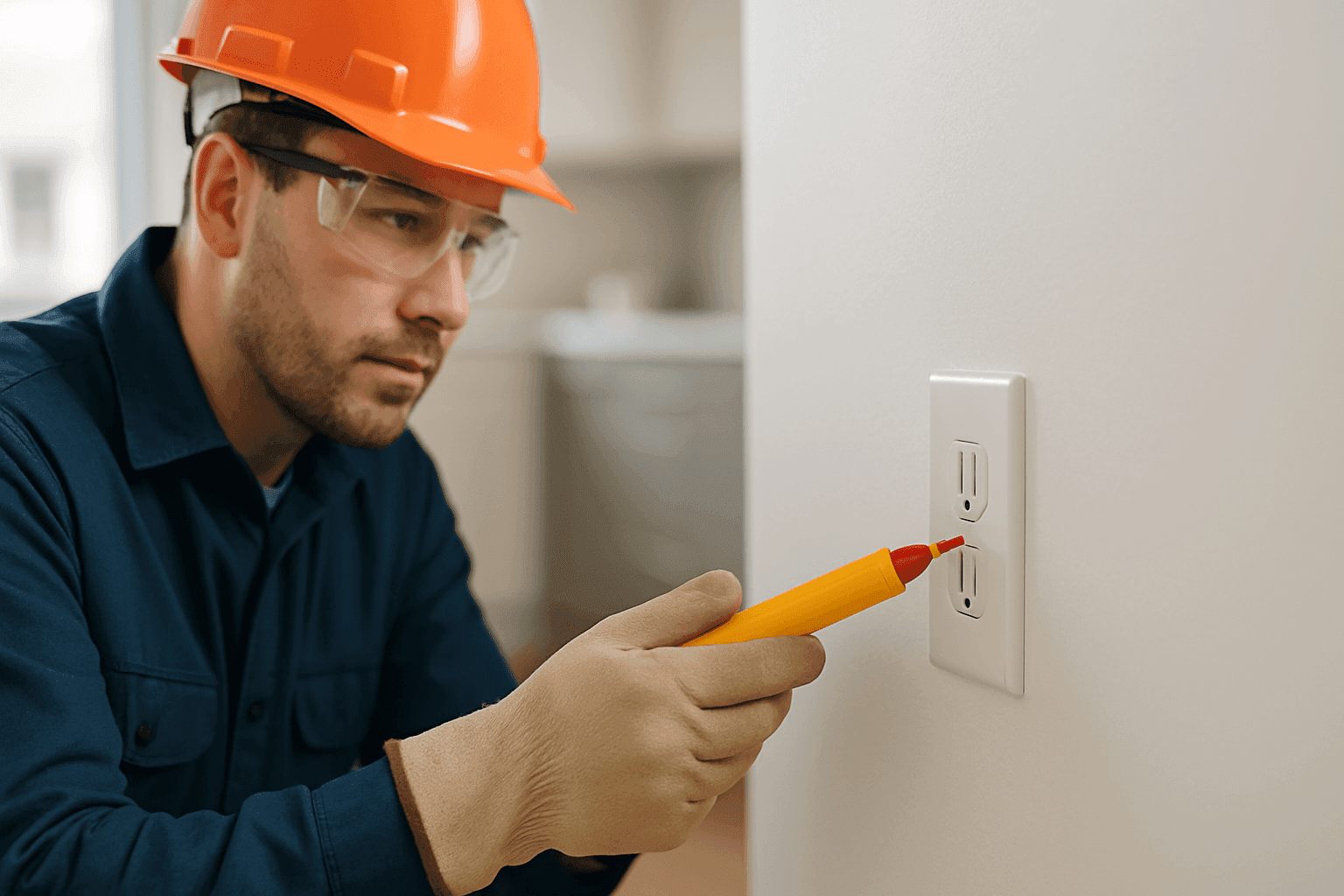
Electricity is powerful—capable of lighting up your home, running your business, and, if left unchecked, turning a small problem into a disaster. At Spartan Electrical Service, we know how easy it is to overlook early warning signs until lights flicker or circuits fail completely.
But those subtle signals aren’t just annoying quirks. They’re the electrical equivalent of a smoke alarm, warning you before things get dangerous. Emergency electricians see it all: from burnt outlets to equipment lost in a power surge. Knowing what to watch for can save lives, property, and peace of mind.
Why Early Detection Matters ⚡
Think of your electrical system as the heart of your building. Little hiccups—like a breaker tripping—might seem harmless at first. But just as you wouldn’t ignore chest pain, electrical warning signs shouldn’t be brushed off.
Ignoring these red flags can lead to fire hazards, electric shock, equipment damage, or even code violations that put insurance coverage at risk. The National Fire Protection Association (NFPA) reports that electrical issues are a leading cause of home and business fires. Early attention keeps your property, family, and livelihood safe.
Top 10 Warning Signs You Need Electrical Repairs Now
Here are the most urgent signals your wiring, panels, or outlets may need immediate attention:
- Frequent Circuit Breaker Trips
- Buzzing or Crackling Sounds
- Hot Outlets or Switches
- Burning Smells
- Flickering or Dimming Lights
- Sparking Outlets
- Discolored Switches or Outlets
- Electric Shocks From Switches or Appliances
- Power Outages in Isolated Areas
- Old or Frayed Wiring
Let’s break down each warning sign—what it means and why you shouldn’t ignore it.
1. Frequent Circuit Breaker Trips
If your breaker keeps flipping, it’s not just a nuisance. It’s your system’s way of saying, “Something’s wrong!” Circuit breakers are designed to cut power when things get risky—like a guard dog barking at trouble. Repeated trips could mean overloaded circuits, faulty appliances, or wiring issues needing an emergency electrician.
2. Buzzing or Crackling Sounds
Electricity should be silent. If you hear buzzing, sizzling, or crackling from outlets, switches, or panels, it’s like hearing warning rattles from a snake. These noises can signal loose wires, arcing, or faulty connections—serious fire risks if ignored.
3. Hot Outlets or Switches
Outlets and switches should never feel hot to the touch. Warmth means excess electrical resistance, often from overloading or unsafe wiring. This can melt insulation, spark fires, and damage expensive electronics.
4. Burning Smells
A burning smell—especially like melting plastic or fish—should never be ignored. It means something is overheating, likely behind your walls. This is a top reason to shut off power at the breaker and call an emergency electrician immediately.
5. Flickering or Dimming Lights
Flickering lights aren’t just spooky—they’re a sign of inconsistent voltage or poor connections. If moving an appliance causes lights to dim, your circuits might be overloaded. Frequent flickering could point to wiring problems or failing fixtures.
6. Sparking Outlets
A visible spark when plugging in a device is not “just static.” It’s a red flag for dangerous wiring or a failing outlet. Occasional tiny sparks can happen, but frequent or large sparks are a sign you need repairs now.
7. Discolored Switches or Outlets
Brown, black, or scorched marks on outlets and switches mean heat damage. This is often from short circuits or loose wiring, and it heightens the risk of fire.
8. Electric Shocks From Switches or Appliances
Getting a zap from touching a switch or appliance is alarming—and it should be. Even a mild shock signals a grounding problem or wiring fault. Don’t wait for a bigger shock; address it right away.
9. Power Outages in Isolated Areas
If one room goes dark but the rest of your building is fine, the problem is likely in your wiring, not the utility company. Localized outages often point to damaged circuits, rodent-chewed wires, or faulty connections needing an emergency electrician.
10. Old or Frayed Wiring
If you spot cloth-covered, cracked, or exposed wires, your electrical system may be outdated or unsafe. Old wiring can’t handle today’s loads and often fails to meet current codes. Upgrading isn’t just safer—it’s required by law in many areas.
What Each Symptom Means
Let’s dig deeper into what these signs are really telling you:
- Frequent breaker trips: Overloaded circuits, short circuits, or faulty breakers.
- Buzzing/crackling: Potential arcing inside walls or junction boxes.
- Heat at outlets: Worn or loose connections increasing resistance.
- Burning smells: Overheating insulation—often hidden behind walls.
- Flickering/dimming lights: Poor connections, overloaded circuits, or voltage drops.
- Sparking outlets: Loose wires or failing receptacles.
- Discoloration: Heat buildup, usually from arcing or loose terminals.
- Shocks: Grounding failures or wiring errors.
- Local outages: Faulty wiring, damaged circuits, or tripped GFCI outlets.
- Old wiring: Not rated for modern loads, increases fire risk, often not up to code.
The big takeaway? These aren’t just annoyances—they’re signals something dangerous could be brewing.
Quick Safety Checklist
Before you touch anything, remember:
- Never ignore burning smells or smoke. Shut off power at the main breaker.
- Don’t touch wet or damp outlets. Water and electricity never mix.
- Stop using outlets or devices that shock you.
- Avoid “DIY fixes” like taping wires or overloading outlets.
- Call an emergency electrician for any of the top 10 signs.
Your safety is always worth a call.
DIY vs. Call a Pro
Some minor issues—like replacing a bulb or resetting a tripped breaker—are safe for most people. But when it comes to wiring, outlets, or anything on this list, resist the urge to play handyman.
Why? Electrical systems are complex and unforgiving. Even a tiny mistake can lead to shocks, fires, or code violations. The National Electrical Code (NEC) requires licensed professionals for many repairs, especially in commercial or multi-unit buildings.
When NOT to DIY:
- Exposed or frayed wiring
- Repeated breaker trips
- Burning or buzzing sounds
- Hot or discolored outlets
- Any sign of smoke, sparks, or shocks
Always call an emergency electrician for:
- Smoke & Carbon Monoxide Detectors near you that fail or beep unexpectedly
- Any situation where you feel unsafe
What Pros Do On Arrival
When you call Spartan Electrical Service, here’s what happens next:
- Assessment: We listen to your concerns, inspect your panels, outlets, and visible wiring.
- Testing: Using specialized tools, we check for voltage drops, loose connections, and overheating.
- Isolation: We safely isolate the fault, minimizing risk to your home or business.
- Repair: We fix the issue—using code-compliant parts and practices.
- Safety check: Before leaving, we test the full system and ensure everything meets current codes.
We also provide documentation for any required electrical certificates or safety checks—so you’re covered for insurance and compliance.
Prevention & Maintenance
A stitch in time saves nine. Here’s how to keep trouble at bay:
- Schedule regular electrical safety inspections (especially for older homes and commercial properties).
- Replace outdated wiring—if your building is over 30 years old, get it checked.
- Upgrade panels and breakers to handle modern appliances and technology.
- Install surge protection to shield against lightning or power grid issues.
- Test Smoke & Carbon Monoxide Detectors monthly—replace batteries twice a year.
- Don’t overload outlets or use “daisy-chained” power strips.
- Have a pro install EV chargers, pool & spa wiring, or home automation.
Prevention pays off with fewer emergencies, safer workspaces, and longer equipment life.
Costs & Time Factors
Worried about the bill or downtime? Here’s what to expect:
- Emergency repairs: These can take anywhere from an hour (for a single faulty outlet) to several hours (for breaker or wiring issues).
- Costs: Vary by issue, materials, and time of day. Emergency electrician services after hours or on holidays may cost more.
- Hidden costs: Ignoring warning signs now can mean more expensive repairs later—or lost inventory, data, or business hours if a fire or outage happens.
Remember, safety always outweighs the price tag.
When It’s an Emergency
How do you know if it can wait? Here’s when to call immediately:
- You smell burning insulation or see smoke
- Outlets, breakers, or switches are hot or scorched
- You see sparks or exposed wires
- You or anyone else receives an electric shock
- There’s a total loss of power (not due to utility outage)
If your instincts say something’s wrong, trust them. Emergency electricians respond 24/7—no issue is too small if safety’s at stake.
FAQ
Q: Is flickering light always an emergency?
A: Not always, but if it happens often or with multiple fixtures, it’s time to call.
Q: Can I use an outlet that feels warm sometimes?
A: No. Heat means trouble. Stop using it and call for repair.
Q: How often should I get an electrical safety inspection?
A: Every 3–5 years for newer properties; more often for older homes or if you add new appliances.
Q: What if my smoke or carbon monoxide detector keeps beeping?
A: Replace the batteries first. If it continues, have it checked by a licensed professional.
Local and Seasonal Considerations
Weather and location affect electrical systems:
- Storms and humidity can lead to water intrusion in outlets—watch for GFCI trips.
- Cold weather increases demand on heaters and generators—get pre-season checks.
- Older neighborhoods often have legacy wiring—schedule regular inspections.
- Businesses with high power needs (restaurants, shops) should review panels and circuits yearly.
Staying proactive means fewer surprises, even when the weather turns rough.
Electrical issues don’t wait for a “good time.” If you’ve spotted any of these warning signs—or just have a gut feeling something’s wrong—it’s always safer to call for help.
Call Spartan Electrical Service now — or reach us anytime at 877-703-4275 .